
An analysis of hair loss prevalence in Belfast, based on national clinical data applied to the 2021 Census population figures for the city.





An analysis of hair loss prevalence in Belfast, based on national clinical data applied to the 2021 Census population figures for the city.
Something that took me a while to notice when I started seeing patients in Belfast was how far many of them had travelled. Not just from the city. From Derry. From Enniskillen. From Newry, Armagh, Antrim. Northern Ireland doesn’t have a dense network of hair transplant clinics the way London does, so the Belfast clinic draws from a much wider catchment than a city practice usually would. A lot of the men coming through the door have driven an hour or more to get there. And most of them have been thinking about coming for longer than that.
The delay between noticing hair loss and doing something about it is one of the most consistent things I see in this practice. It’s not unique to Belfast, but it’s pronounced here. There’s a particular generation of men in their late thirties and forties, across Northern Ireland, who grew up with very little conversation around male appearance and essentially no framework for thinking about hair loss as something that could be addressed rather than just endured. They come in and the first thing many of them say is some version of: I thought it was too late.
It usually isn’t.
The profile of men coming through the door in Belfast is roughly: late twenties to mid-forties, first signs noticed anywhere from 22 to 30, time between first noticing and first consultation anywhere from two to eight years. Crown thinning and hairline recession in roughly equal measure. Plenty of diffuse thinning across the top that doesn’t fit a clean Norwood grade.
A meaningful proportion come from outside Belfast entirely. The absence of alternatives in rural Northern Ireland means men who would, in England, see a local clinic instead make longer journeys. That’s not a complaint about the Belfast patient; it’s context for understanding that the demand for hair restoration services across Northern Ireland as a whole is larger than any city-level estimate would capture.
Belfast’s 2021 Census population (NISRA) was approximately 345,000. Northern Ireland overall was 1.9 million. The men presenting to us don’t come exclusively from one of those numbers.
The bulk of male hair loss is androgenetic alopecia: the inherited sensitivity to dihydrotestosterone (DHT), a hormone derived from testosterone, that causes genetically vulnerable follicles to miniaturise over years and eventually stop producing visible hair. Most people have some sense of this. What they tend to underestimate is when it starts.
Research published in the Journal of the European Academy of Dermatology and Venereology found signs of androgenetic alopecia appearing in the teenage years for a significant proportion of men, with progression continuing actively through the twenties and thirties. By the mid-thirties, studies consistently put around 40 percent of men at some degree of noticeable loss. That number is not fifty-year-olds. It’s men in the age range where, in this practice, most consultations happen.
The inheritance side is worth understanding because there’s a lot of received wisdom around it that isn’t quite right. The maternal grandfather connection gets repeated constantly. What the research actually shows is that hair loss inheritance is polygenic: multiple gene variants, both maternal and paternal lines contributing, and outcomes between brothers with similar family histories varying considerably. Two men with the same grandfather, same father’s hairline, can end up on opposite ends of the Norwood scale by 45.
Telogen effluvium is the second most common type we assess, and it presents very differently from pattern baldness. It’s not about genetics. It’s the hair cycle responding to a systemic shock: illness, surgery, significant weight loss, thyroid dysfunction, sustained psychological stress. A disproportionate number of follicles enter the resting phase simultaneously, and the shedding becomes visible two to three months later.
The delay is what causes most of the confusion. The person sitting in front of me is trying to identify what changed recently. The trigger is nearly always something that happened months before the shedding began. Post-COVID telogen effluvium was something we saw considerably in 2021 and 2022: men presenting with diffuse shedding, no family history of pattern baldness, and a COVID infection or a period of prolonged stress eight to twelve weeks prior.
The distinction matters because telogen effluvium is usually temporary and the clinical approach is different. Treating it like androgenetic alopecia, and starting someone on finasteride for a condition that will likely resolve, isn’t the right call.
NHS estimates put around 8 million women in the UK affected by hair loss. The Northern Ireland figure is proportionally similar, but like most hair loss statistics it almost certainly undercounts. Female hair loss tends to present as diffuse thinning rather than defined recession, it’s easier to style around, and there’s a strong social current toward women managing it privately rather than seeking clinical input.
Female pattern hair loss assessed on the Ludwig scale is distinct from male androgenetic alopecia. The driving hormonal factors are different: menopause is significant, polycystic ovary syndrome is worth ruling out in younger women, and post-pregnancy shedding, while usually temporary, can occasionally trigger longer-term changes in susceptible women. Alopecia areata, which is autoimmune rather than androgenetic, also affects women and follows a different clinical path.
The assessment, and any surgical planning, uses different criteria. We see women from across Belfast and Northern Ireland regularly.
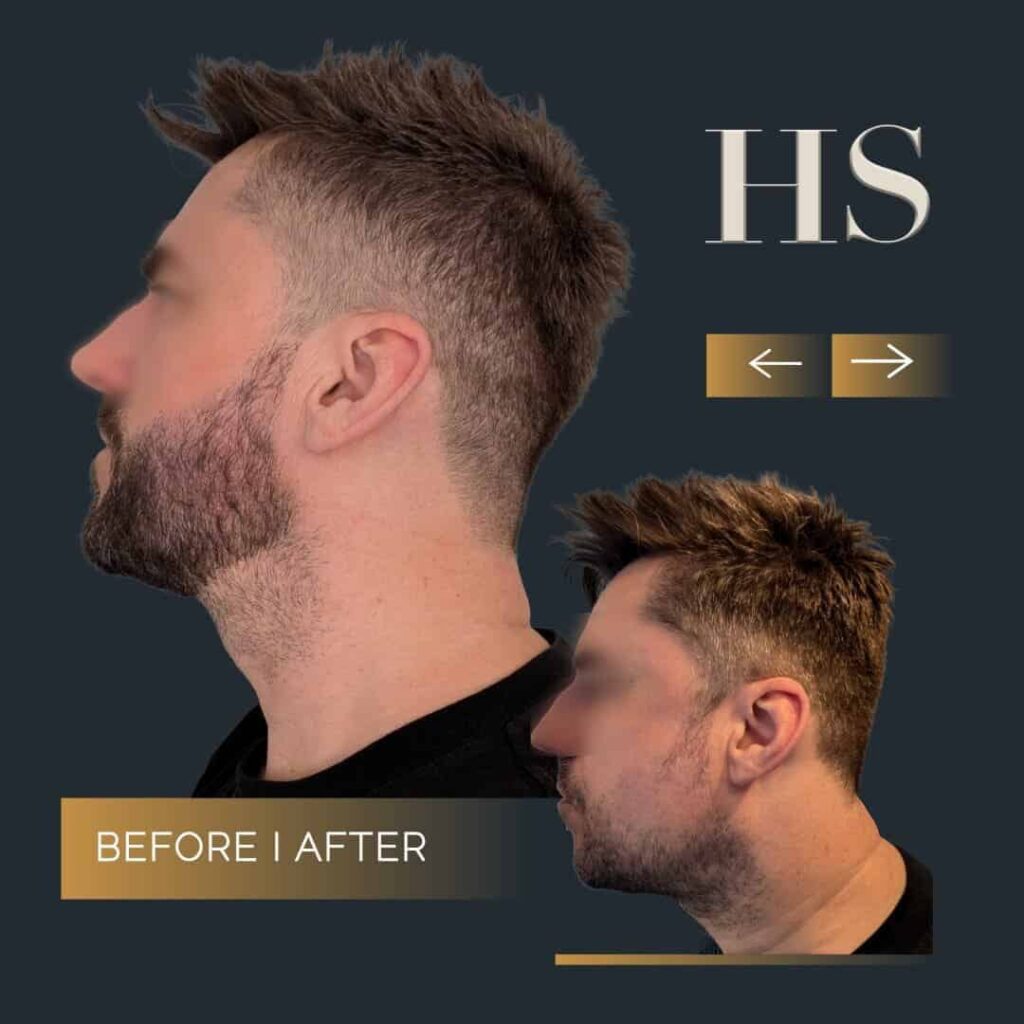
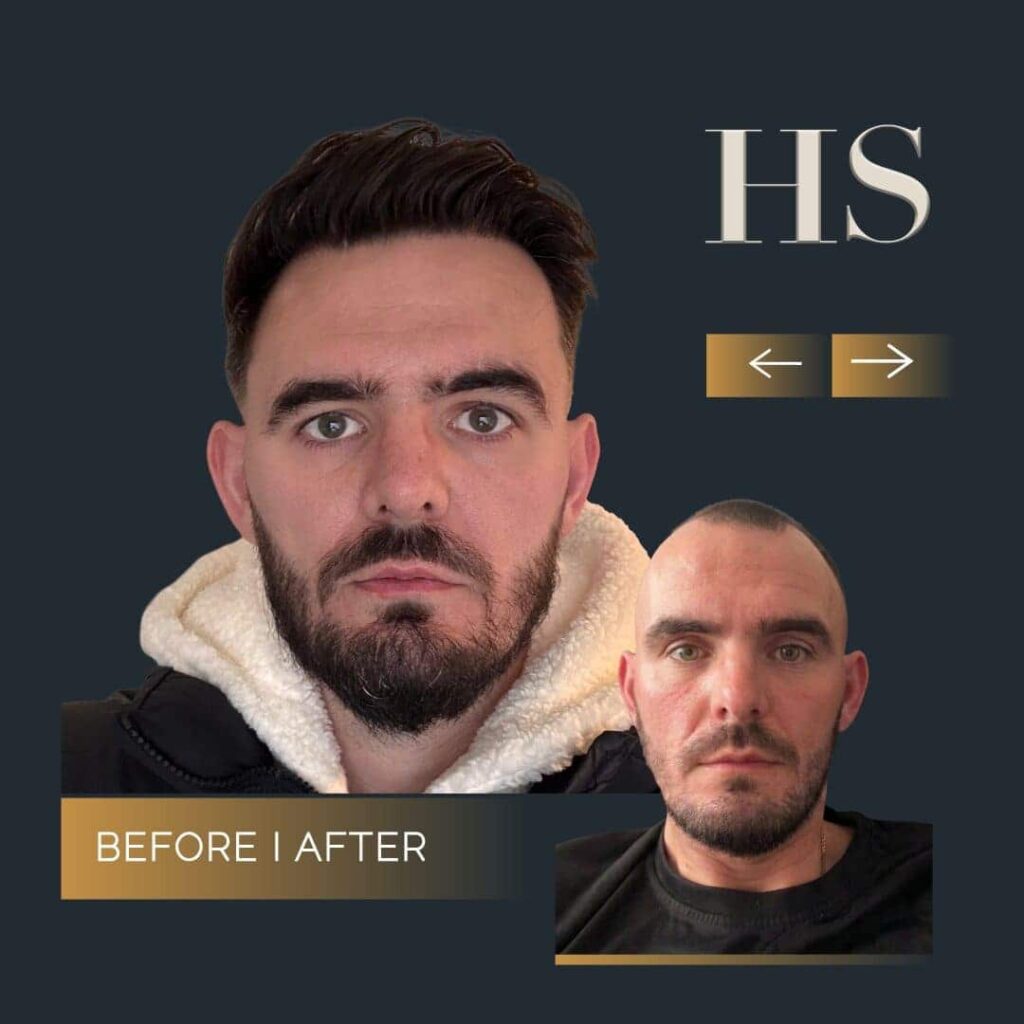
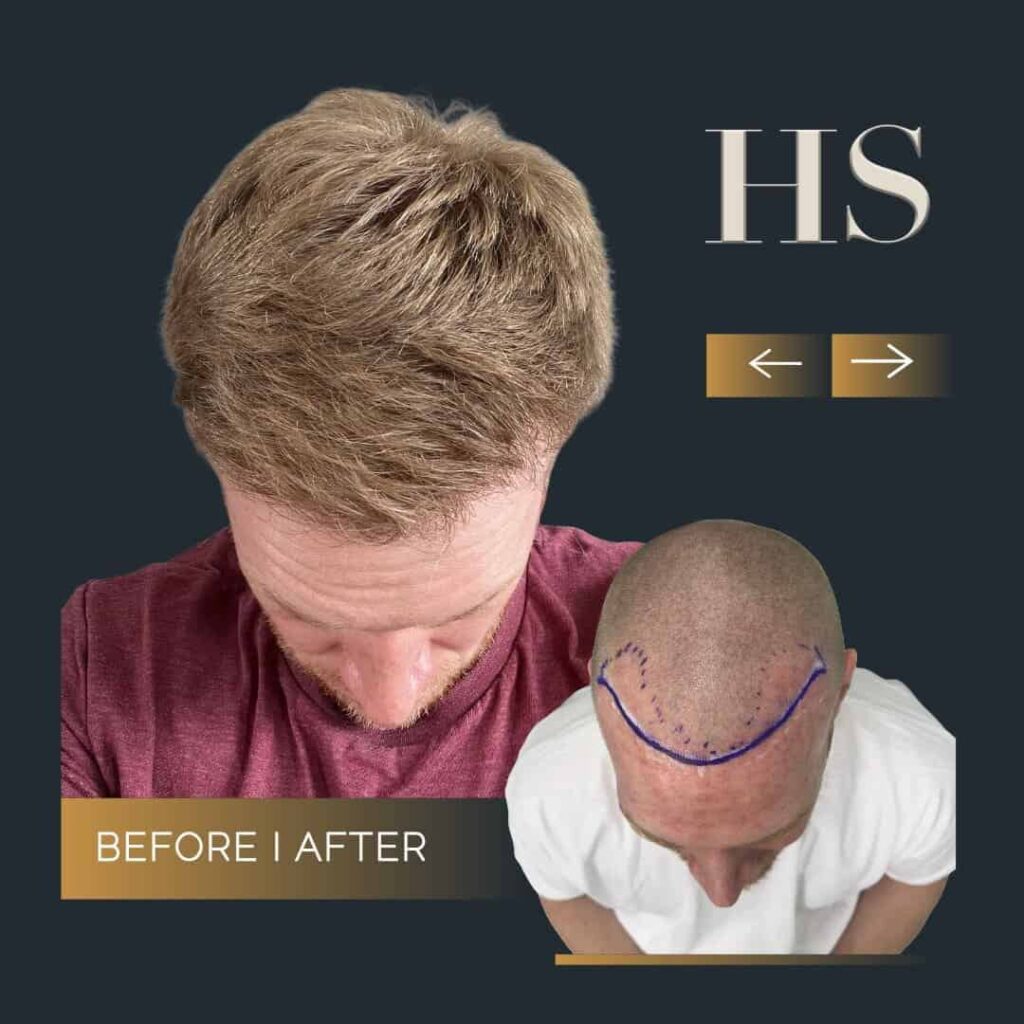
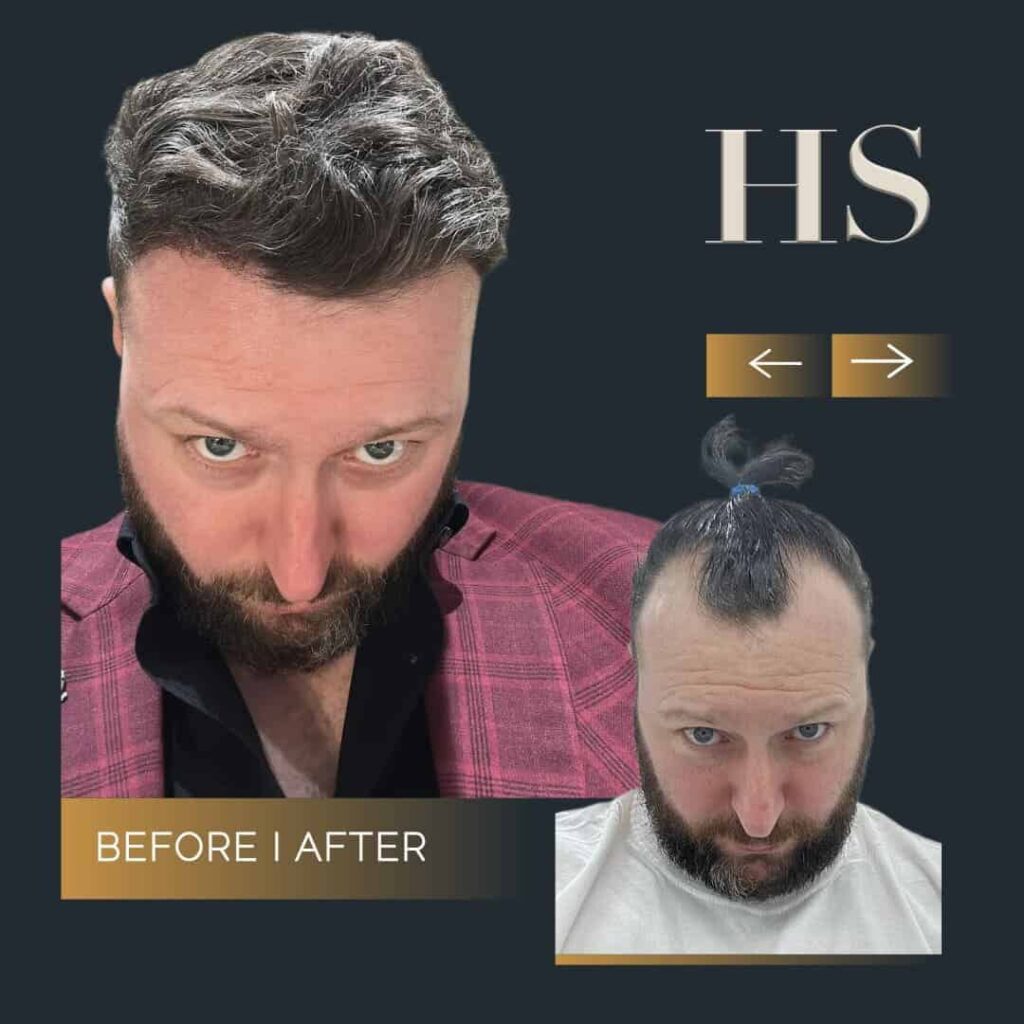
FUE is the primary surgical method we use. Individual follicular units extracted from the donor zone at the back and sides of the scalp (where the hair is genetically resistant to DHT) and placed into the thinning areas. The ISHRS 2023 Practice Census reported over 650,000 hair restoration procedures performed globally in a single year, with FUE now accounting for the majority over FUT. Clinical studies put graft survival rates between 90 and 95 percent in properly performed procedures.
Planning for frontal recession and crown thinning are genuinely different conversations. A hairline procedure restores the front edge and tends to have high visual impact relative to the graft count involved. Crown restoration covers a larger surface area and needs a longer planning horizon, partly because crown loss can continue after a procedure if the underlying progression hasn’t been stabilised. Getting that sequencing right matters more than most patients realise when they first come in.
Finasteride and minoxidil come up in most consultations, and they’re worth understanding clearly. Neither drug restores hair that’s already been lost. What they do is slow ongoing loss, finasteride by reducing DHT production, minoxidil by extending the follicle’s active growth phase. The combination of one or both medications with surgery tends to give the most stable long-term result for patients where loss is still progressing.
What any of this costs depends on graft count, technique, and what’s included in aftercare. The right place to start is a free consultation, where a surgeon looks at what’s actually there, grades the loss accurately, and gives a straight account of what’s realistic. That conversation happens whether or not you decide to proceed.